
About Cullerne Gardens
We are growing!
Cullerne blooms again
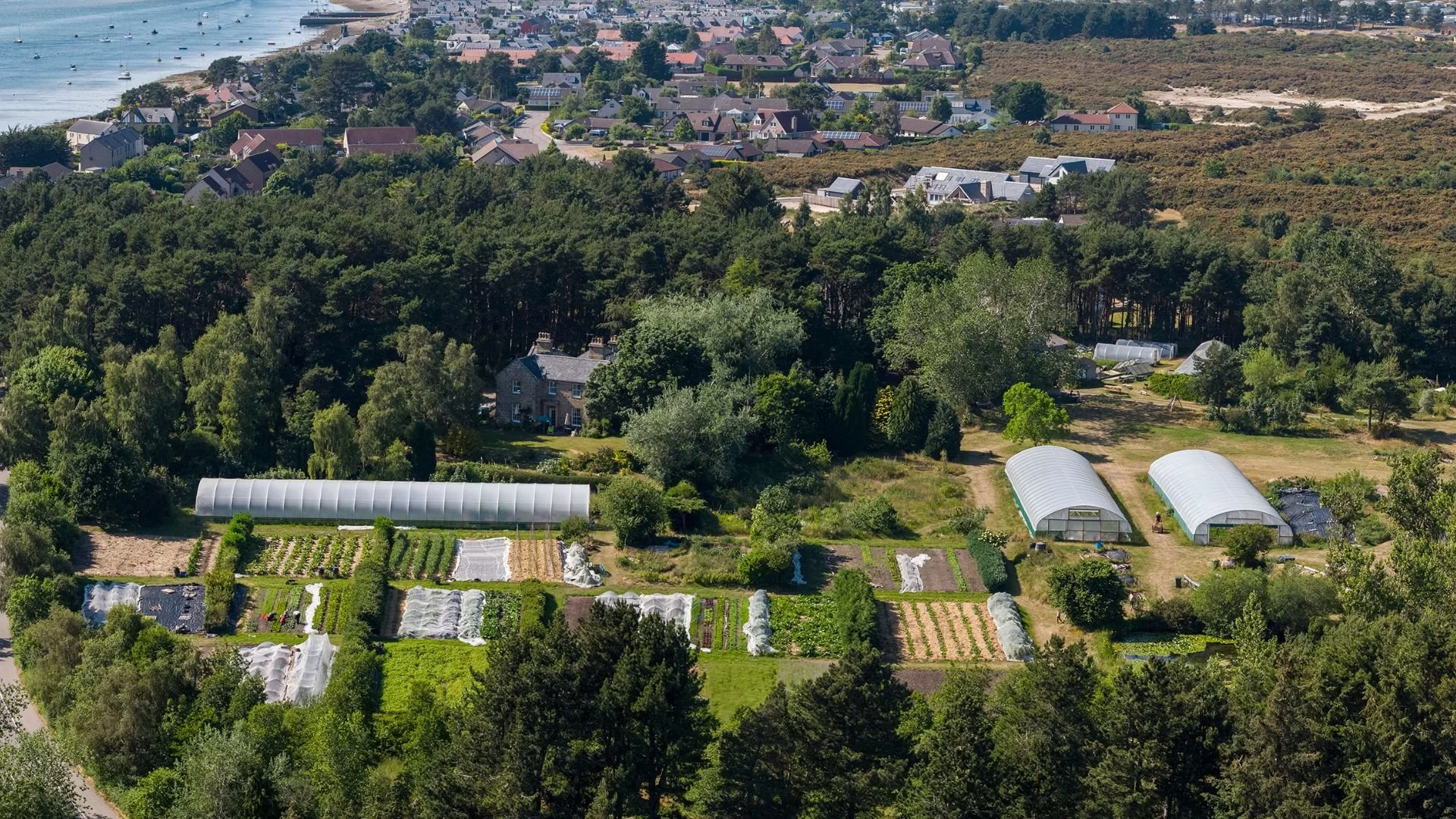
For over 40 years Cullerne Gardens grew food for thousands of visitors who came for workshops at the Park Ecovillage Community, which is right next door.
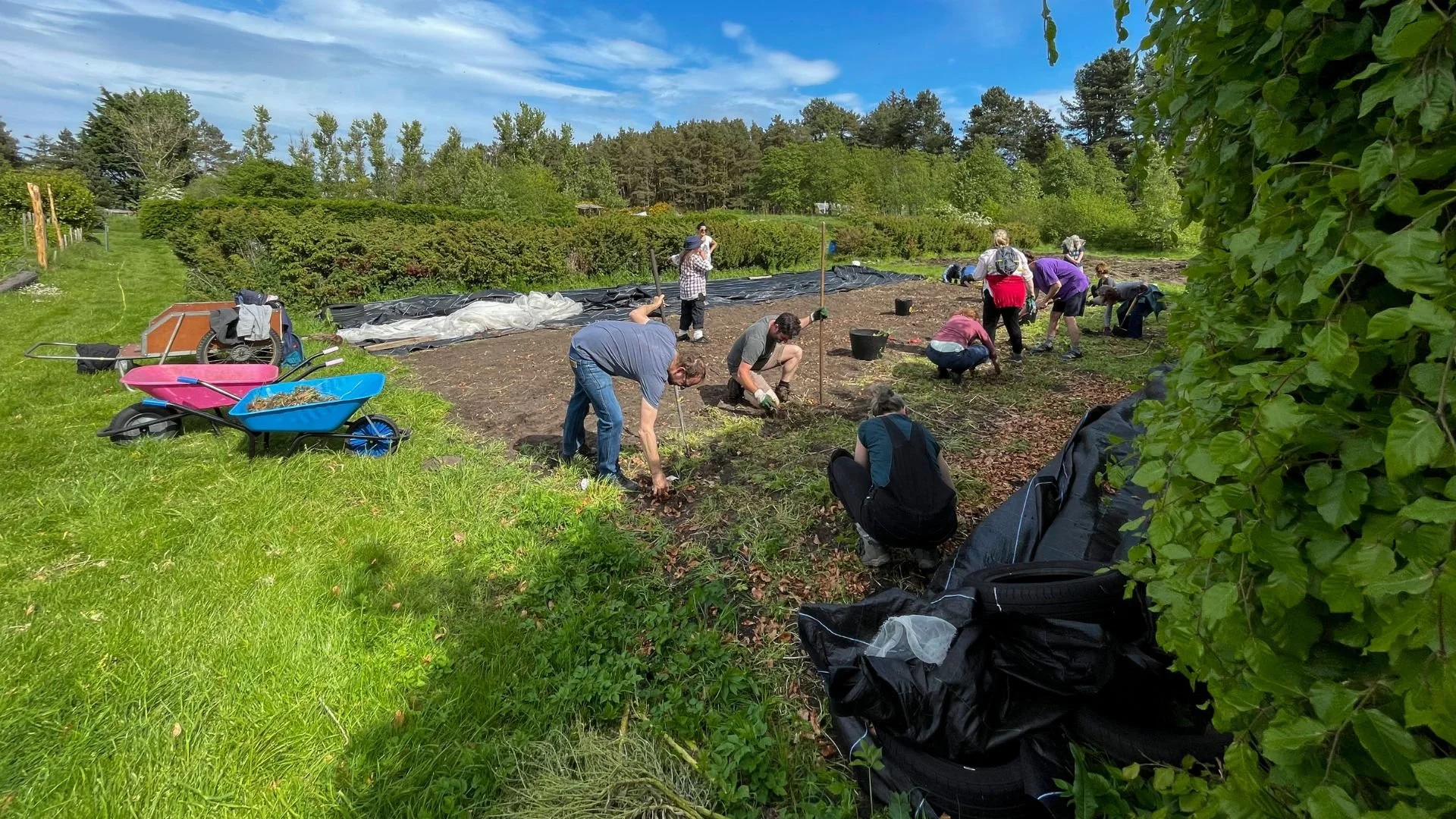
Now, after three years of quiet, Cullerne Garden is coming back to life.
Through Community Supported Agriculture (CSA) and our seasonal veg boxes, we aim to reactivate Cullerne Gardens as a regenerative, community-powered farm that supports the regional economy and restores Findhorn's sustainable food tradition.
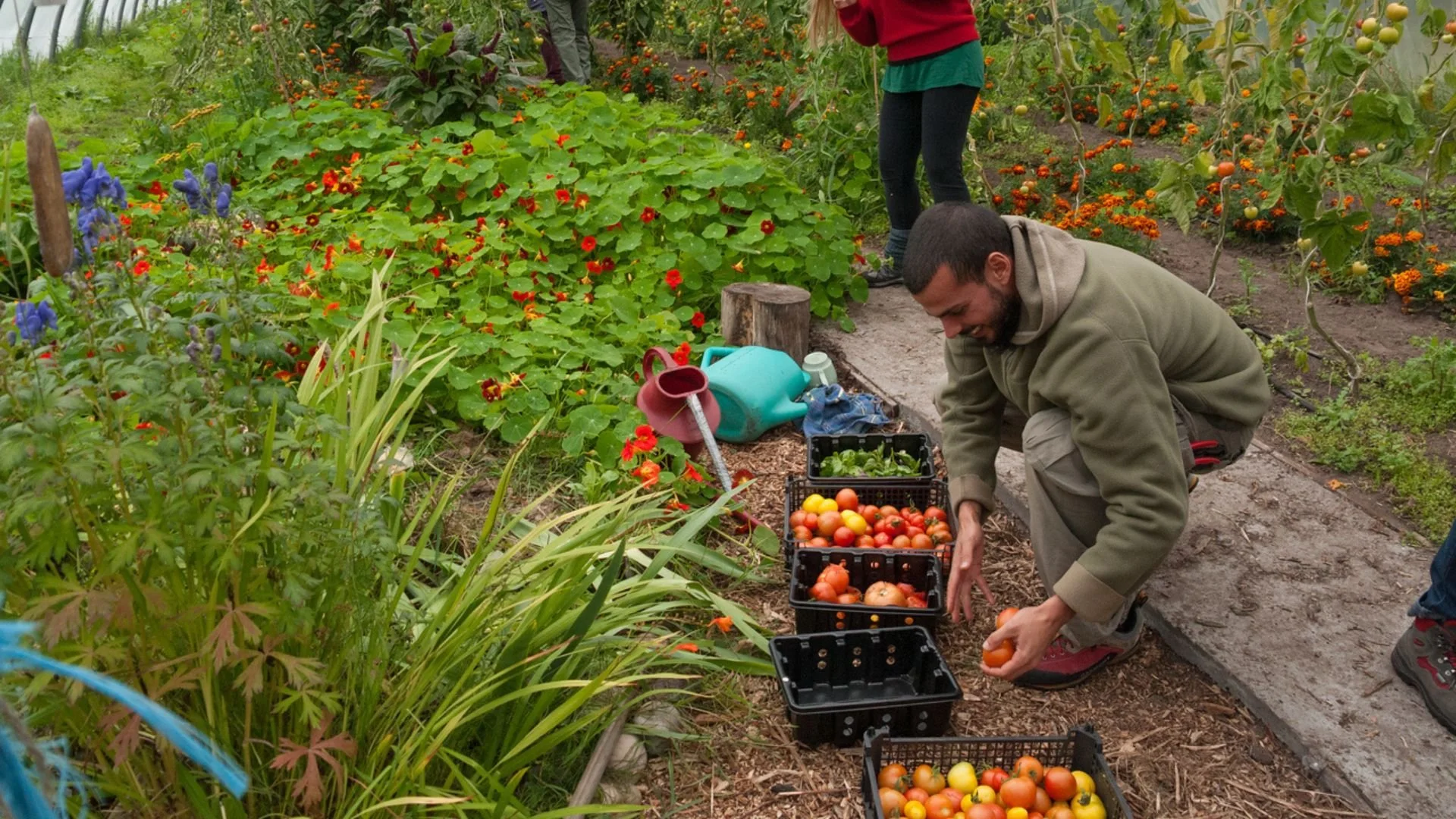
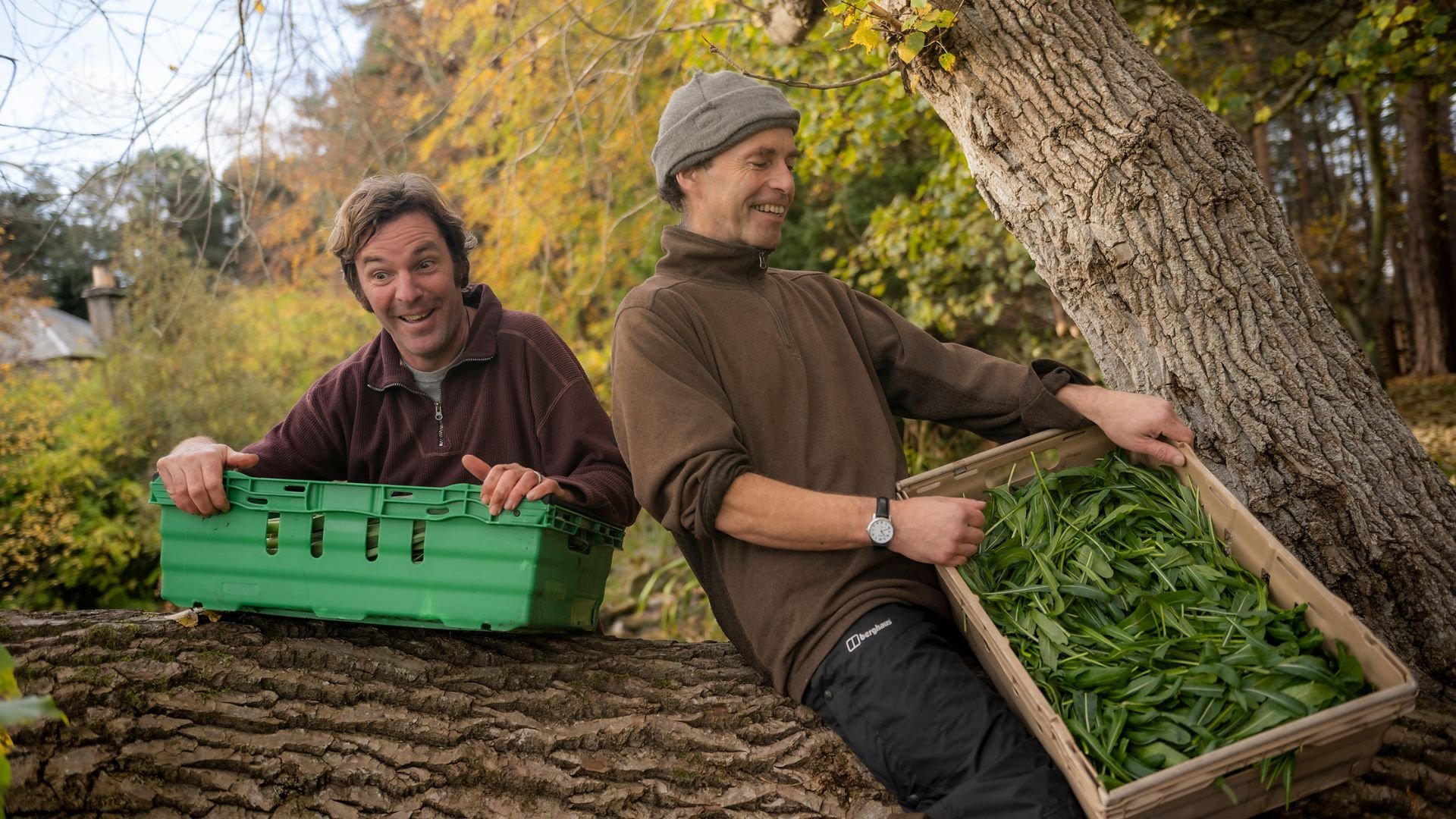
Meet the team of spirited volunteers who are lovingly nurturing your veggies.
How we grow
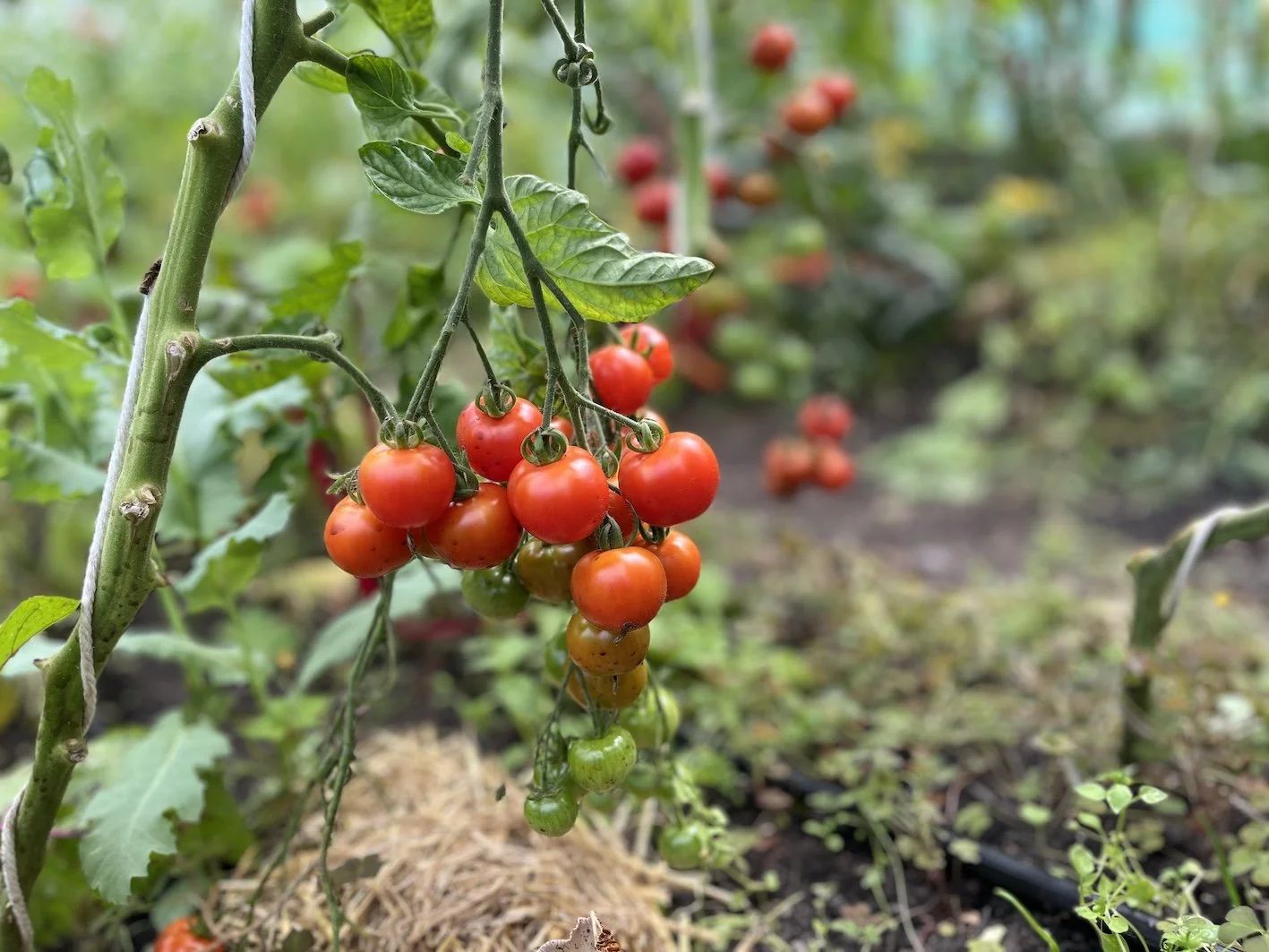
At Cullerne Gardens we aim to revive organically grown, biodynamic and permaculture-based food production. We avoid chemical fertilisers, herbicides and pesticides, and we’re transitioning to a no-dig system to rebuild soil health and the land’s ecological vitality.
We are growing food in a way that strengthens the earth rather than depletes it.
Eco consciousness and attunement
We view the land as a stakeholder. Every decision we make considers its impact on the land, on nature, and on habitats for the beings who share the space.
For nearly five decades, Cullerne Gardens has been tended with love and intention, guided by community values, including:
Co-creation with the intelligence of Nature
Putting love in all that we do
Attunement – pausing and tuning in to each other, the work, and the land.
A bit of history
The very first Community Supported Agriculture (CSA) scheme in Moray was launched here at Cullerne Gardens!
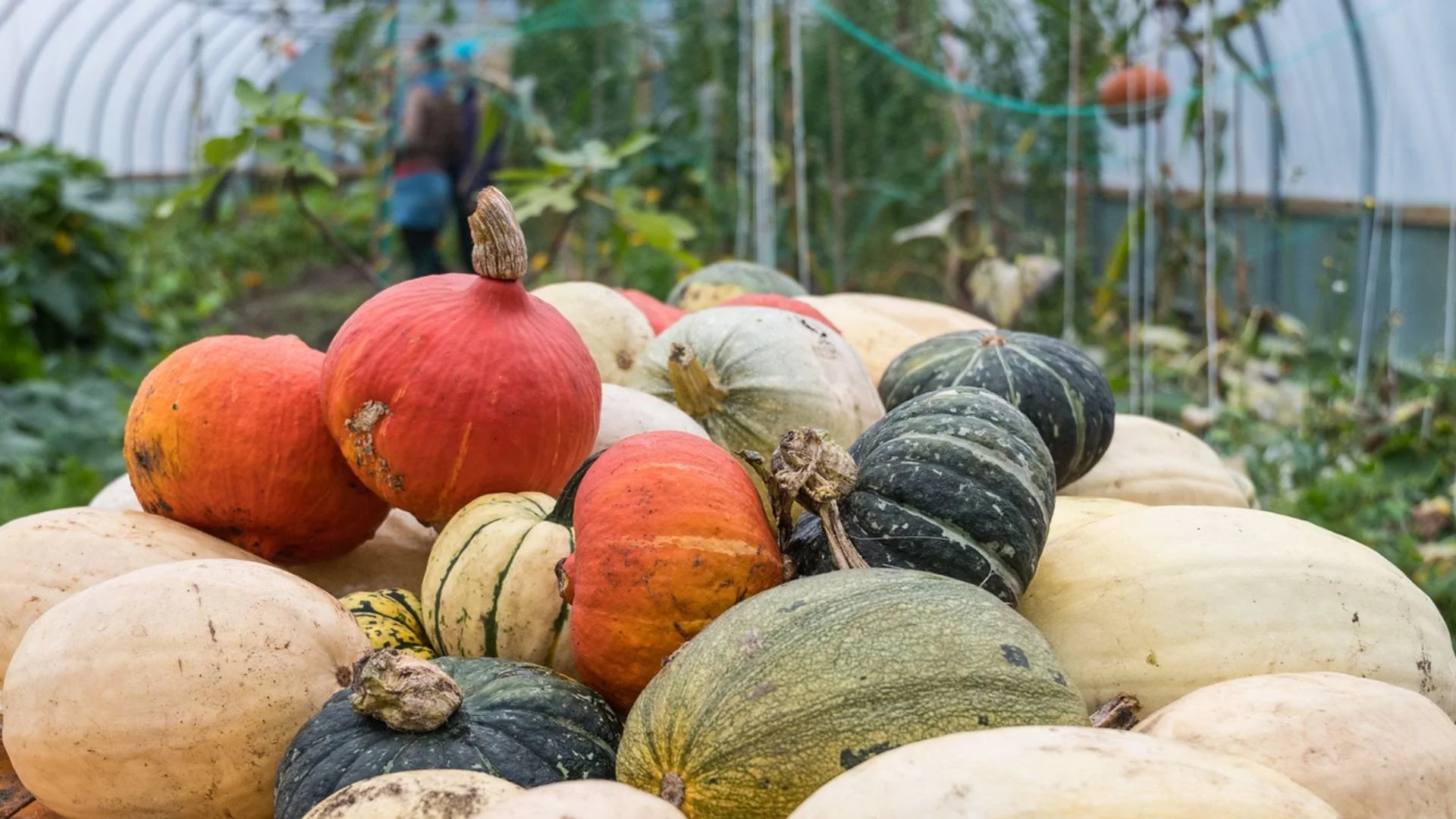
‘Earthshare’ began in 1994 and continued until 2011. It grew 45 different kinds of fruit and vegetables in Cullerne’s open fields and polytunnels. They were distributed via a weekly box to about 150 people and families in the local area.
Read fascinating stories of Cullerne Gardens’ history, written by people who’ve cared for the land over the decades.
Early Links with the Soil Association
The relationship between Findhorn and the wider organic movement reaches back to the 1960s and 1970s, when pioneers in ecological agriculture were exploring new ways of understanding the connections between soil, plants, animals and human wellbeing.
Findhorn first attracted attention for the remarkable results achieved in its early gardens. From 1962, founders Peter and Eileen Caddy and Dorothy Maclean began growing vegetables in the sandy, windswept soil of the Findhorn Bay Caravan Park. The size and vitality of the produce – including the now-famous large cabbages – helped spread Findhorn’s reputation among people interested in organic growing, horticulture and new ecological approaches.
One of the most significant links was with Lady Eve Balfour, a pioneering organic farmer and founder of the Soil Association. Balfour had long argued that the health of soil, plants, animals and people should be understood as part of one interconnected system – an outlook that found strong resonance at Findhorn.
Organic farming pioneer Sir George Trevelyan was among those who encouraged greater awareness of the work taking place at Findhorn. The connection was strengthened in 1976, when Lady Eve Balfour travelled to Moray to participate in Findhorn’s The World Crisis and the Wholeness of Life conference. Other influential environmental thinkers attending the conference included E. F. Schumacher, author of Small Is Beautiful and an important figure in the development of ecological economics. a way for
These encounters reflected a wider meeting of ideas. At a time when organic agriculture remained outside the mainstream, both the Soil Association and the emerging Findhorn community placed particular importance on working with natural systems, maintaining healthy soils and recognising the interdependence of human and ecological wellbeing.
People connected with the Soil Association, including organic grower Peter Segger, also developed close links with Findhorn. This shared interest in ecological agriculture helped create a foundation for later projects centred on local food production.
That tradition continued with the establishment of EarthShare in 1994, a pioneering Community Supported Agriculture (CSA) initiative at Findhorn. Using organic and biodynamic methods, EarthShare connected local people directly with the land and the food grown on it, becoming an important chapter in the development of community-supported agriculture in the UK.
The story of Cullerne Gardens sits within this longer history: a continuing commitment to healthy soil, ecological growing, local food and a closer relationship between people and the land.

Ekopia Social Investments
Cullerne Gardens is cared for and managed by Ekopia Social Investments Ltd, a community benefit society based in the Park Ecovillage, Findhorn. Ekopia plays a vital role in financing and enabling impactful projects, including affordable housing and renewable energy initiatives.